How to Choose Fresh Meat: The Ultimate Buyer’s Guide
Whether you are shopping for a weekend BBQ or a daily family meal, the quality of your meat determines the success of your dish. But how can you tell the difference between a premium cut and one that’s past its prime?
At https://www.google.com/search?q=FreshhMeat.com, we believe everyone should know what to look for. Here are five expert tips to help you choose the freshest meat every time.
1. Look at the Color
Color is the first indicator of freshness, but it varies depending on the type of animal:
- Beef: Look for a bright, cherry-red color. If the beef is vacuum-sealed, it might look slightly purple—this is normal. Avoid meat that is turning brown or grey.
- Poultry: Fresh chicken or turkey should be bluish-white to yellow. Avoid any meat that looks grey or has a transparent, slimy appearance.
- Lamb: This should be a soft pink to red. The fat should be white, not yellow or crumbly.
2. The “Touch Test” (Texture)
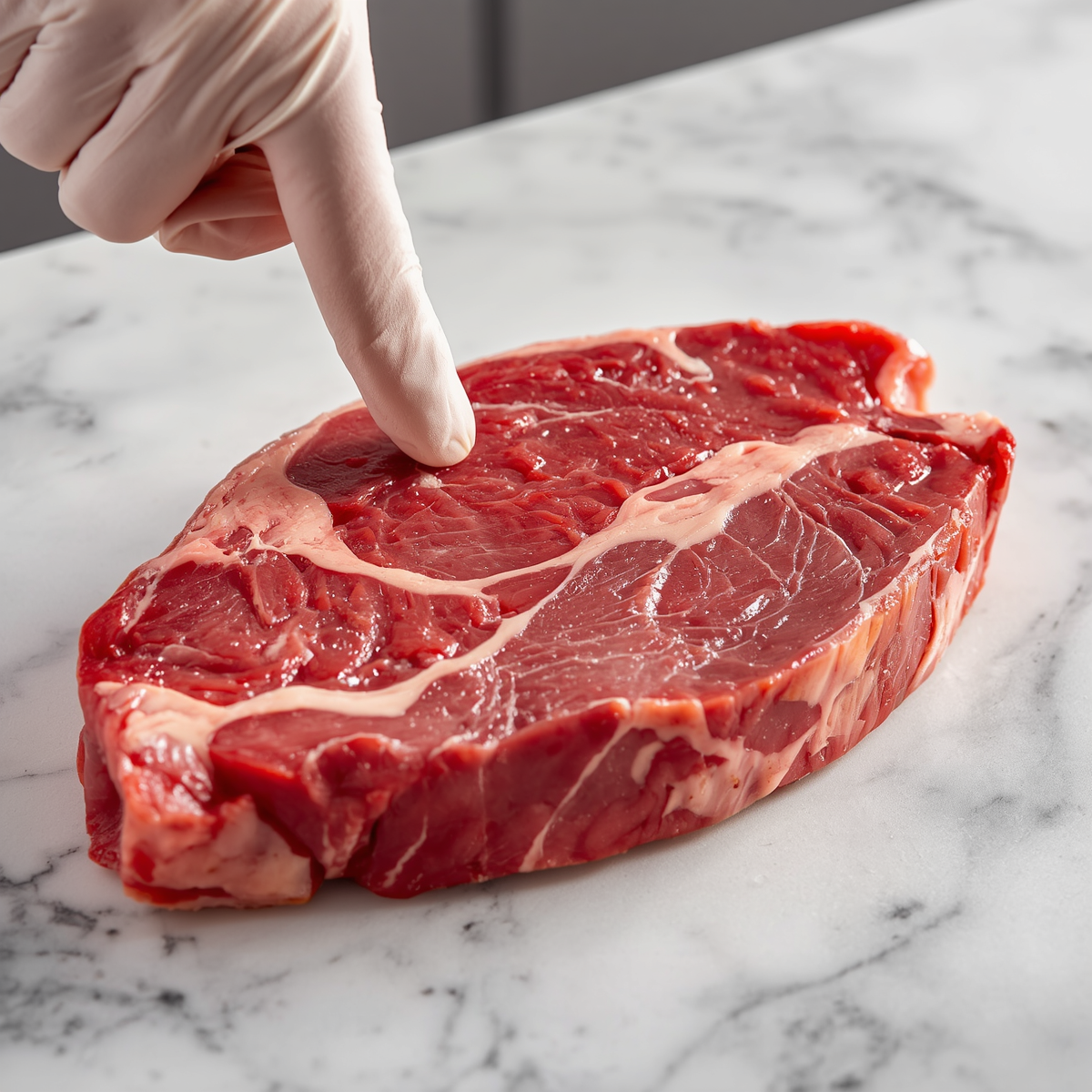
Don’t be afraid to observe the texture. Fresh meat should be firm and dense. If you press it through the packaging, it should spring back to its original shape quickly. If the meat feels soft, mushy, or leaves a deep indentation, it is likely losing its freshness.
3. Follow Your Nose
Fresh meat has a very faint, neutral smell. If you detect any hint of ammonia, vinegar, or a “sour” odor, it is a clear sign that bacteria have begun to grow. Even if the color looks okay, never ignore an unpleasant scent.
4. Check the Surface Moisture
While meat should be moist, it should never be “slimy.” If you see a sticky or tacky film on the surface of the cut, stay away. Conversely, if you see an excessive amount of liquid in the bottom of the tray (known as “purge”), it may mean the meat has been sitting for too long or was previously frozen and thawed.
5. Inspect the Fat (Marbling)
For beef and lamb, look for “marbling”—the small white streaks of fat within the muscle. Good marbling means more flavor and tenderness during cooking. The fat should always look creamy and white; yellow or dull fat is an indicator of an older animal or poor storage.
Why Quality Matters
Choosing fresh meat isn’t just about taste; it’s about health and nutrition. High-quality cuts retain their vitamins and minerals better than processed or older alternatives.
At https://www.google.com/search?q=FreshhMeat.com, we take the guesswork out of the process. We ensure every cut meets the highest standards of freshness before it ever reaches your kitchen.