شركة الجونة العطار للحوم الطازجة

شركة الجونة العطار للحوم الطازجة استشاريون في لحم العجول متخصصون في تقديم اللحوم الطازجة في المملكة العربية السعودية منذ عام 1443 هجري

Can you bring pork products into Saudi Arabia?

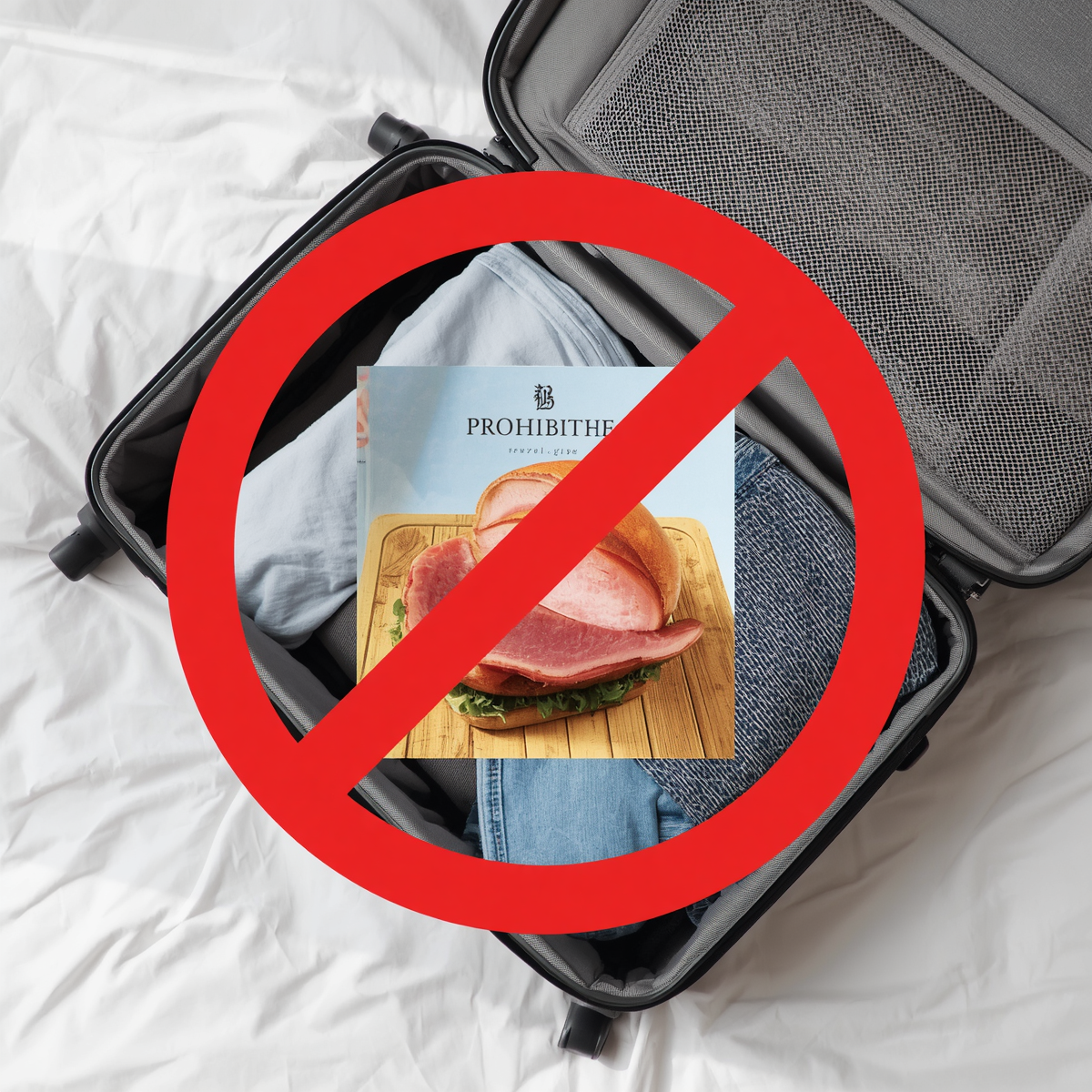
Can You Bring Pork Products into Saudi Arabia? What Travelers Need to Know

If you are planning a trip to the Kingdom of Saudi Arabia (KSA), whether for work, tourism, or a visit to family, it is vital to understand the local customs and import laws. One of the most frequently asked questions by international travelers is: “Can I bring pork products into Saudi Arabia?”

The short answer is no. In this guide, we will explain the laws, the risks, and what you should do to ensure a smooth entry into the country.

The Strict Prohibition of Pork

Saudi Arabia is a country that strictly follows Islamic Law (Sharia). In Islam, the consumption of pork is forbidden (Haram). Consequently, the Saudi government has implemented a total ban on the importation of any pork-related items.

This ban is absolute. It does not matter if the meat is for personal consumption, or if it is a small quantity.

What Items Are Forbidden?

Many travelers are surprised to learn that the ban extends beyond just fresh bacon or ham. Prohibited items include:

  • Processed Meats: Sausages, pepperoni, canned meats, or jerky containing pork.
  • Food Ingredients: Items containing lard (pig fat) or pork-based gelatin (often found in gummy candies or marshmallows).
  • Snacks: Chips or crackers flavored with pork extracts.
  • Pet Food: Even dog or cat food containing pork derivatives is prohibited from entry.

What Happens at Customs?

Saudi Customs officials use advanced X-ray scanning and manual inspections at all airports and land borders. If pork products are found in your luggage:

  1. Confiscation: The items will be immediately seized and destroyed.
  2. Fines: You may be required to pay a financial penalty.
  3. Legal Consequences: In some cases, repeated offenses or large quantities can lead to more serious legal action or being barred from entering the country.

How to Check Your Labels

Before you pack your snacks or travel meals, always read the ingredient list. Look for words like:

  • Pork / Swine
  • Lard
  • Porcine Gelatin
  • Ham / Bacon / Gammon

Safe Alternatives

If you are looking for high-quality, delicious protein options that are fully compliant with Saudi laws, stick to Halal-certified beef, lamb, and poultry.

At https://www.google.com/search?q=FreshhMeat.com, we take pride in offering a wide variety of fresh, premium meats that meet all local standards, ensuring you can enjoy a great meal without any legal worries.

Conclusion

To avoid delays, fines, and the loss of your items, it is best to leave all pork products at home. Respecting local laws ensures your journey to Saudi Arabia is pleasant and stress-free.
How to choose fresh meat?

How to Choose Fresh Meat: The Ultimate Buyer’s Guide

Whether you are shopping for a weekend BBQ or a daily family meal, the quality of your meat determines the success of your dish. But how can you tell the difference between a premium cut and one that’s past its prime?

At https://www.google.com/search?q=FreshhMeat.com, we believe everyone should know what to look for. Here are five expert tips to help you choose the freshest meat every time.

1. Look at the Color

Color is the first indicator of freshness, but it varies depending on the type of animal:

  • Beef: Look for a bright, cherry-red color. If the beef is vacuum-sealed, it might look slightly purple—this is normal. Avoid meat that is turning brown or grey.
  • Poultry: Fresh chicken or turkey should be bluish-white to yellow. Avoid any meat that looks grey or has a transparent, slimy appearance.
  • Lamb: This should be a soft pink to red. The fat should be white, not yellow or crumbly.

2. The “Touch Test” (Texture)

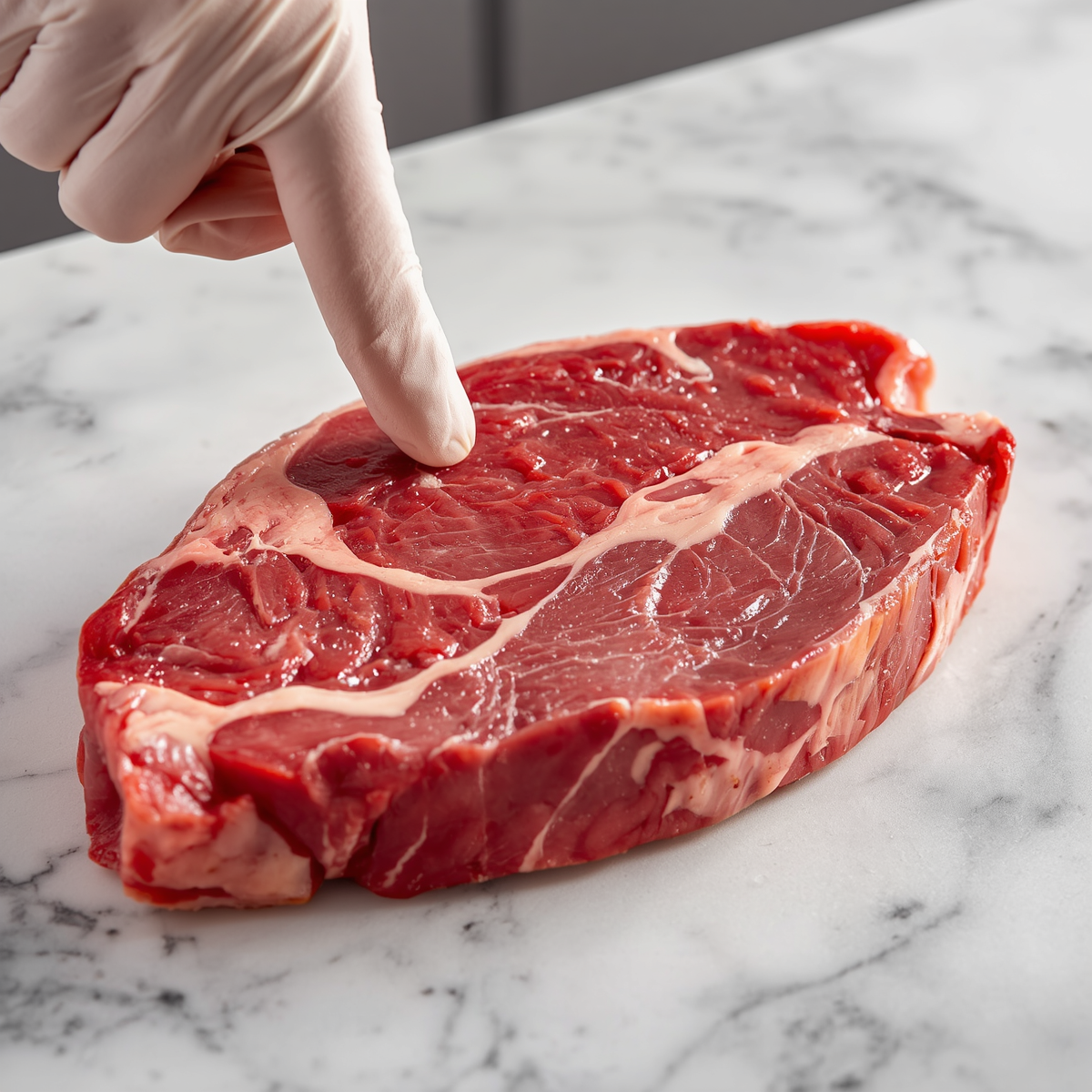
Don’t be afraid to observe the texture. Fresh meat should be firm and dense. If you press it through the packaging, it should spring back to its original shape quickly. If the meat feels soft, mushy, or leaves a deep indentation, it is likely losing its freshness.

3. Follow Your Nose

Fresh meat has a very faint, neutral smell. If you detect any hint of ammonia, vinegar, or a “sour” odor, it is a clear sign that bacteria have begun to grow. Even if the color looks okay, never ignore an unpleasant scent.

4. Check the Surface Moisture

While meat should be moist, it should never be “slimy.” If you see a sticky or tacky film on the surface of the cut, stay away. Conversely, if you see an excessive amount of liquid in the bottom of the tray (known as “purge”), it may mean the meat has been sitting for too long or was previously frozen and thawed.

5. Inspect the Fat (Marbling)

For beef and lamb, look for “marbling”—the small white streaks of fat within the muscle. Good marbling means more flavor and tenderness during cooking. The fat should always look creamy and white; yellow or dull fat is an indicator of an older animal or poor storage.

Why Quality Matters

Choosing fresh meat isn’t just about taste; it’s about health and nutrition. High-quality cuts retain their vitamins and minerals better than processed or older alternatives.

At https://www.google.com/search?q=FreshhMeat.com, we take the guesswork out of the process. We ensure every cut meets the highest standards of freshness before it ever reaches your kitchen.