شركة الجونة العطار للحوم الطازجة

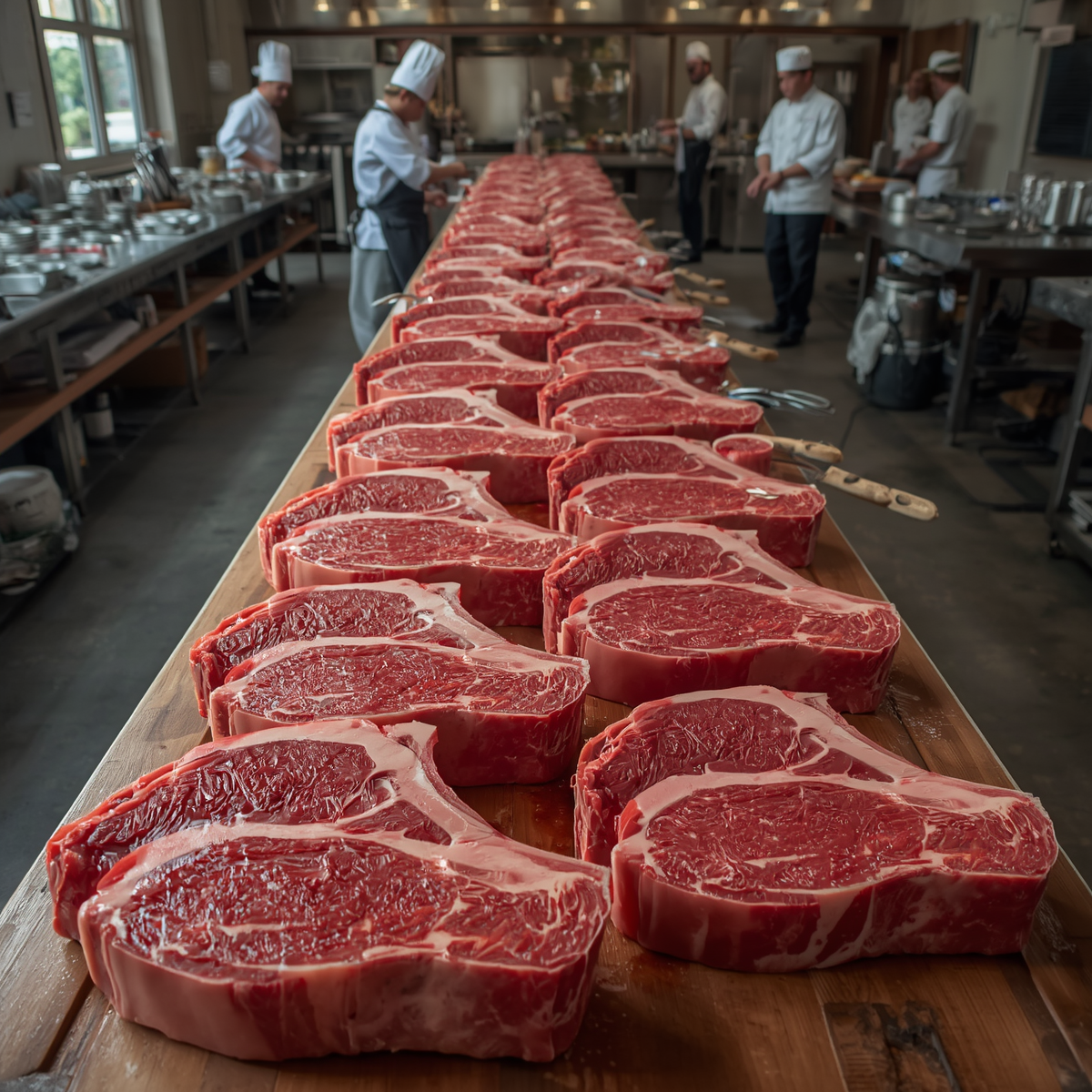
شركة الجونة العطار للحوم الطازجة استشاريون في لحم العجول متخصصون في تقديم اللحوم الطازجة في المملكة العربية السعودية منذ عام 1443 هجري

Master the Grill: Top Tips for a Successful Family BBQ

At Freshh Meat, we provide the premium cuts that serve as the centerpiece of your cookout. To help you do justice to that quality, we’ve put together the ultimate guide to mastering the grill this weekend.

1. Start with the Right Foundation: Quality Meat

You can be the best grill master in the world, but you cannot fix poor-quality meat. Supermarket meat that has been sitting in plastic trays often lacks the moisture and fat content needed to withstand the high heat of a grill.

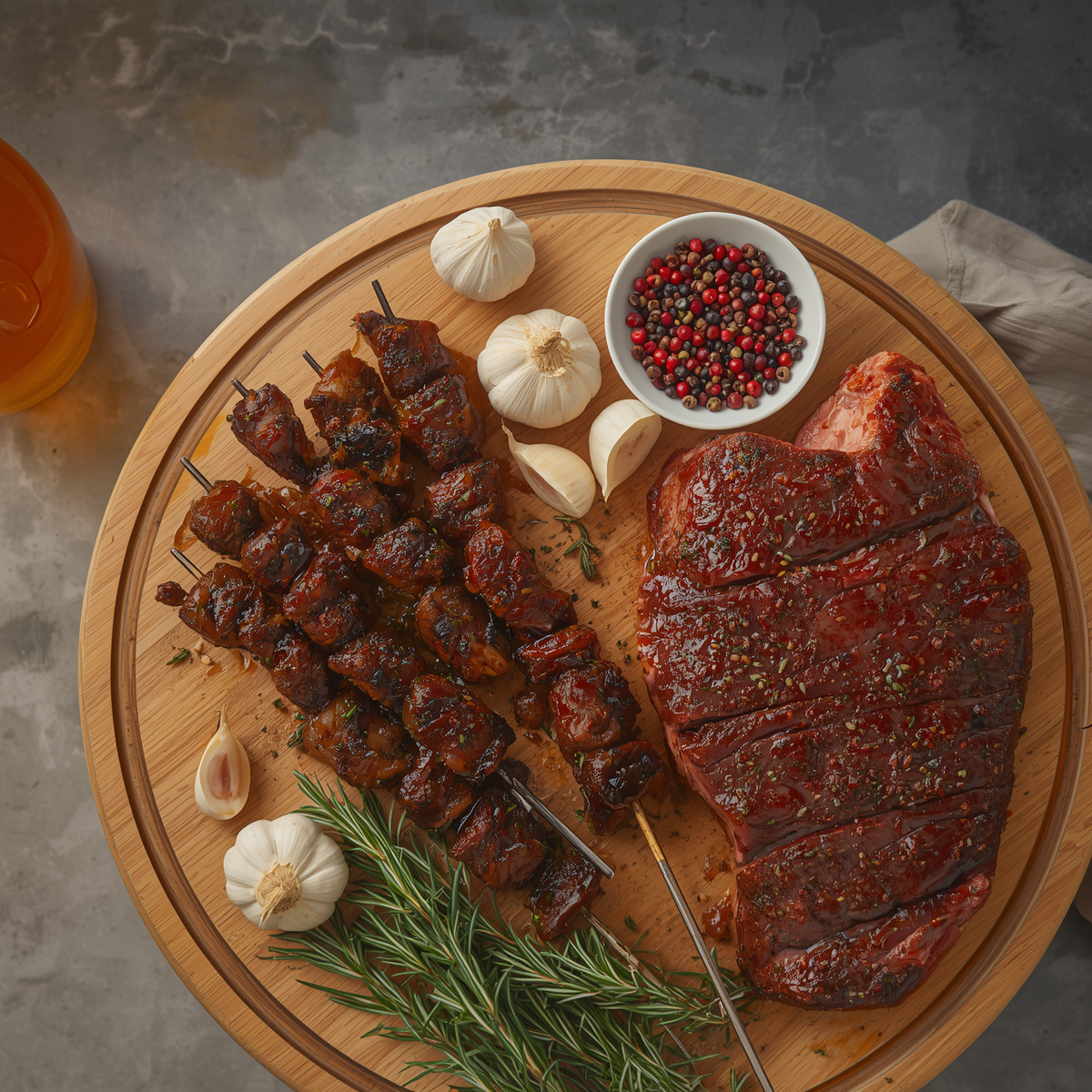
  • The Freshh Meat Advantage: Our fresh, never-frozen beef and lamb retain their natural juices, ensuring that your BBQ results in tender, succulent bites rather than dry, chewy ones. For a crowd-pleaser, try our premium ribeye steaks or marinated lamb skewers.

2. Master the “Two-Zone” Grilling Method

One of the biggest mistakes beginners make is crowding the grill with high heat everywhere. This leads to charred outsides and raw insides.

  • The Method: Create a “Direct Heat” zone (with hot coals or high burners) and an “Indirect Heat” zone (no coals or burners off).
  • The Benefit: Sear your steaks over direct heat to get those beautiful grill marks, then move them to the indirect side to finish cooking through slowly. This ensures a perfect medium-rare every time.

3. The “Patience” Protocol: Don’t Flip Too Fast

We know it’s tempting to keep poking and flipping the meat, but patience is key to a professional sear.

  • Pro Tip: Let the meat sit undisturbed until it naturally releases from the grill grates. If it’s sticking, it’s not ready to flip. Flipping only once or twice helps develop that delicious caramelized crust known as the Maillard reaction.

4. Temperature Over Timing

Stop guessing when the meat is done by cutting into it—this lets all the delicious juices escape!

  • The Solution: Invest in a digital meat thermometer.
  • Target Temps: * Steaks: 52°C for Medium-Rare.
    • Lamb Chops: 60°C for Medium.
    • Chicken: Always 74°C for safety.

5. The Secret Ingredient: The Rest

The most important part of grilling happens after you take the meat off the heat.

  • Why it matters: When meat cooks, the fibers tighten and push juices to the center. If you cut it immediately, the juice runs out on the board.
  • The Rule: Let your steaks and roasts rest for at least 5–10 minutes under a loose piece of foil. The fibers will relax, and the juices will redistribute, making every bite incredibly tender.

6. Safety and Flavor: Clean Your Grates

A clean grill is a safe grill. Leftover bits from last month’s BBQ can cause flare-ups and impart a bitter, “burnt” taste to your fresh meat. Scrub your grates while they are hot before you start cooking to ensure the pure flavor of your Freshh Meat cuts shines through.

The Role of Fresh Meat in a Child’s Growth and Development

As parents, every choice we make—from the schools our children attend to the shoes they wear—is focused on giving them the best start in life. However, one of the most impactful decisions happens right at the dinner table. Nutrition is the foundation of childhood development, and fresh meat plays a starring role in that process.

At Freshh Meat, we understand that you aren’t just buying food; you are buying the building blocks for your child’s future. In this guide, we’ll explore why high-quality, fresh protein is essential for growing bodies and minds.

1. The Brain Powerhouse: Iron and B12

The first few years of life are a period of rapid brain development. To support this growth, children require high levels of Iron and Vitamin B12.

  • Heme Iron: The iron found in red meat (like our premium beef) is absorbed by the body much more efficiently than iron from plant sources. It is critical for cognitive function, concentration, and preventing anemia, which can cause fatigue and learning delays.
  • B12 for Nerve Health: This vitamin is only found naturally in animal products. It helps build the protective coating around nerves, ensuring that the brain can send signals to the rest of the body quickly and clearly.

2. Building Strong Foundations: Zinc and Physical Growth

Children seem to grow an inch overnight, and that rapid physical expansion requires Zinc.

  • Cell Growth: Zinc is a mineral that supports DNA synthesis and cell division. Without enough zinc, a child’s growth can be stunted.
  • Immune Support: Fresh meat is one of the best natural sources of zinc, which strengthens the immune system. A healthy child spends more time playing and learning and less time fighting off seasonal sniffles.

3. Complete Proteins for Strong Muscles

Unlike some plant-based proteins, meat is a “complete protein.” This means it contains all the essential amino acids that a child’s body cannot produce on its own. These proteins are the literal building blocks for muscles, skin, and organs. Whether your child is taking their first steps or playing in their first football match, the protein from Freshh Meat provides the structural support they need.

4. Why “Freshness” Matters for Kids

Children have sensitive digestive systems. This is why the transparency and safety we offer at Freshh Meat are so important.

  • No Hidden Additives: Many processed meats (like nuggets or deli meats) contain high levels of sodium, nitrates, and fillers that aren’t ideal for growing children.
  • Peak Nutrition: Fresh, never-frozen meat retains its full mineral profile, ensuring your child gets every milligram of nutrition available in the cut.

How to Introduce Fresh Meat to Your Child’s Diet

  • Soft Textures: For toddlers, start with slow-cooked stews or high-quality ground beef that is easy to chew.
  • Finger Foods: Small, grilled lamb or chicken strips are perfect for little hands and provide a great alternative to processed snacks.
  • Flavor Pairing: Pair meat with vitamin C-rich vegetables (like bell peppers or broccoli) to help their bodies absorb even more iron.

5 Quick and Healthy Ground Beef Recipes for Busy Weeknights

We’ve all been there: you get home after a long day, the family is hungry, and the last thing you want to do is spend two hours in the kitchen. This is where ground beef becomes your culinary superhero. It’s affordable, versatile, and—when sourced from Freshh Meat—it’s a powerhouse of clean protein and essential minerals.

To help you eat well without losing your evening, we’ve curated five healthy ground beef recipes that go from pan to plate in under 30 minutes.

1. The 15-Minute Mediterranean Beef Bowl

This is the ultimate “clean eating” meal. It’s light, vibrant, and packed with flavor.

  • The Method: Brown your ground beef with cumin, garlic, and a pinch of cinnamon.
  • The Assembly: Serve it over a bed of quinoa or cauliflower rice. Top with diced cucumbers, cherry tomatoes, olives, and a dollop of Greek yogurt.
  • Why it’s healthy: You get a perfect balance of healthy fats, complex carbs, and lean protein.

2. Zucchini Boat Stuffed Peppers (Low Carb)

If you want to skip the heavy grains, zucchini is your best friend.

  • The Method: Hollow out two large zucchinis. Sauté your ground beef with onions, bell peppers, and tomato paste.
  • The Assembly: Stuff the mixture into the zucchinis, sprinkle a little light mozzarella on top, and broil for 5–7 minutes until the cheese is bubbly.
  • Why it’s healthy: It’s a high-protein, low-carb dinner that sneaks in an extra serving of vegetables.

3. Quick Beef and Broccoli Stir-Fry

Forget the oily takeout; this home version is better for your heart and your wallet.

  • The Method: Sauté ground beef until crispy. Add fresh broccoli florets, ginger, and a splash of low-sodium soy sauce (or coconut aminos).
  • The Assembly: Toss in some sesame seeds and serve as-is or over brown rice noodles.
  • Why it’s healthy: Broccoli is high in fiber and Vitamin C, which helps your body absorb the iron found in our fresh beef.

4. Healthy “Un-Stuffed” Cabbage Skillet

All the flavor of traditional cabbage rolls without the tedious rolling process.

  • The Method: In one large skillet, brown the beef with onions. Add a bag of shredded cabbage (coleslaw mix works great) and a can of diced tomatoes.
  • The Assembly: Let it simmer until the cabbage is tender. Season with apple cider vinegar and a touch of black pepper.
  • Why it’s healthy: Cabbage is an antioxidant powerhouse, and this “one-pot” meal keeps clean-up fast.

5. Avocado-Topped Sweet Potato Chili

A hearty meal that feels like a hug in a bowl.

  • The Method: Brown the beef with chili powder and paprika. Add small cubes of sweet potato and a splash of beef broth. Cover and simmer until the potatoes are soft (about 12 minutes).

Why Grass-Fed and Grain-Fed Meat Actually Matters

If you’ve ever browsed the premium selections at Freshh Meat, you’ve likely noticed the emphasis on how animals are raised and fed. In the world of high-quality protein, the “Grass-Fed vs. Grain-Fed” debate is more than just a marketing trend—it’s a choice that impacts the nutrition, taste, and texture of your meal.

But which one should you choose? In this guide, we’ll break down why the diet of the livestock actually matters to your health and your palate.

What is Grass-Fed Meat?

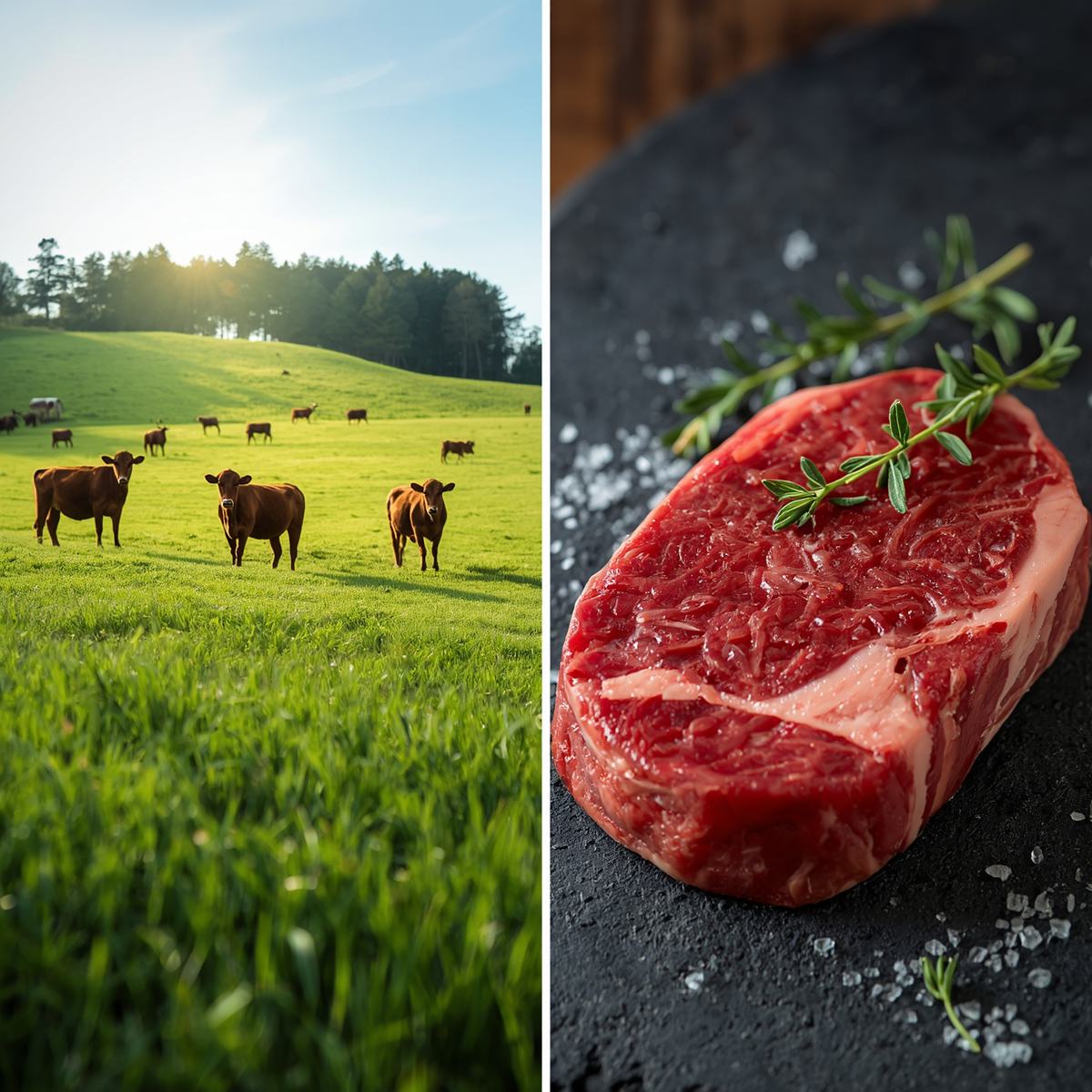
As the name suggests, grass-fed animals spend their lives grazing on open pastures, eating a natural diet of grass and forage. This is the traditional, ancestral way of raising cattle.

The Nutritional Edge:

  • Healthy Fats: Grass-fed meat is significantly higher in Omega-3 fatty acids, which are essential for heart health and reducing inflammation.
  • Vitamin Boost: It typically contains more Vitamin A and E, as well as antioxidants like glutathione.
  • CLA Content: It is one of the best sources of Conjugated Linoleic Acid (CLA), a type of fat associated with reduced body fat and improved immunity.

What is Grain-Fed Meat?

Grain-fed animals usually start their lives on pasture but spend their final months eating a diet based on corn, soy, and other grains. This process is designed to maximize growth and fat production.

The Culinary Edge:

  • Superior Marbling: Grains lead to higher “intramuscular fat” (marbling). This is what gives grain-fed beef those beautiful white flecks that melt during cooking.
  • Consistency: Grain-fed meat offers a very consistent, buttery flavor profile that many steak enthusiasts prefer.
  • Tenderness: Because of the higher fat content, grain-fed cuts are often perceived as more “melt-in-your-mouth” tender.

The Flavor Face-Off: Earthy vs. Buttery

Which one tastes better? That depends on your personal preference.

  • Grass-Fed is often described as having an “earthy,” “mineral,” or “gamey” flavor. It is leaner, so it requires careful cooking to prevent it from drying out.
  • Grain-Fed has a richer, sweeter, and more “buttery” taste. It is more forgiving on the grill because the extra fat protects the meat from high heat.

Which One Should You Choose?

At Freshh Meat, we understand that different customers have different priorities:

  1. Choose Grass-Fed if: You are focused on maximum health benefits, lower total fat intake, and a more natural, traditional farming approach. It’s perfect for those on Paleo or anti-inflammatory diets.
  2. Choose Grain-Fed if: You are looking for a classic, restaurant-quality steak experience with high marbling and a rich, tender texture for your next BBQ.

The Ultimate Guide to Safe Meat Storage at Home

You’ve done the hard part—you’ve sourced the highest quality, premium cuts from Freshh Meat. Now, the secret to a world-class meal lies in how you handle that meat once it enters your kitchen. Proper storage is the bridge between a “good” meal and a “gourmet” experience.

In this guide, we will walk you through the essential steps of safe meat storage to ensure every bite you take is as fresh as the day it was butchered.

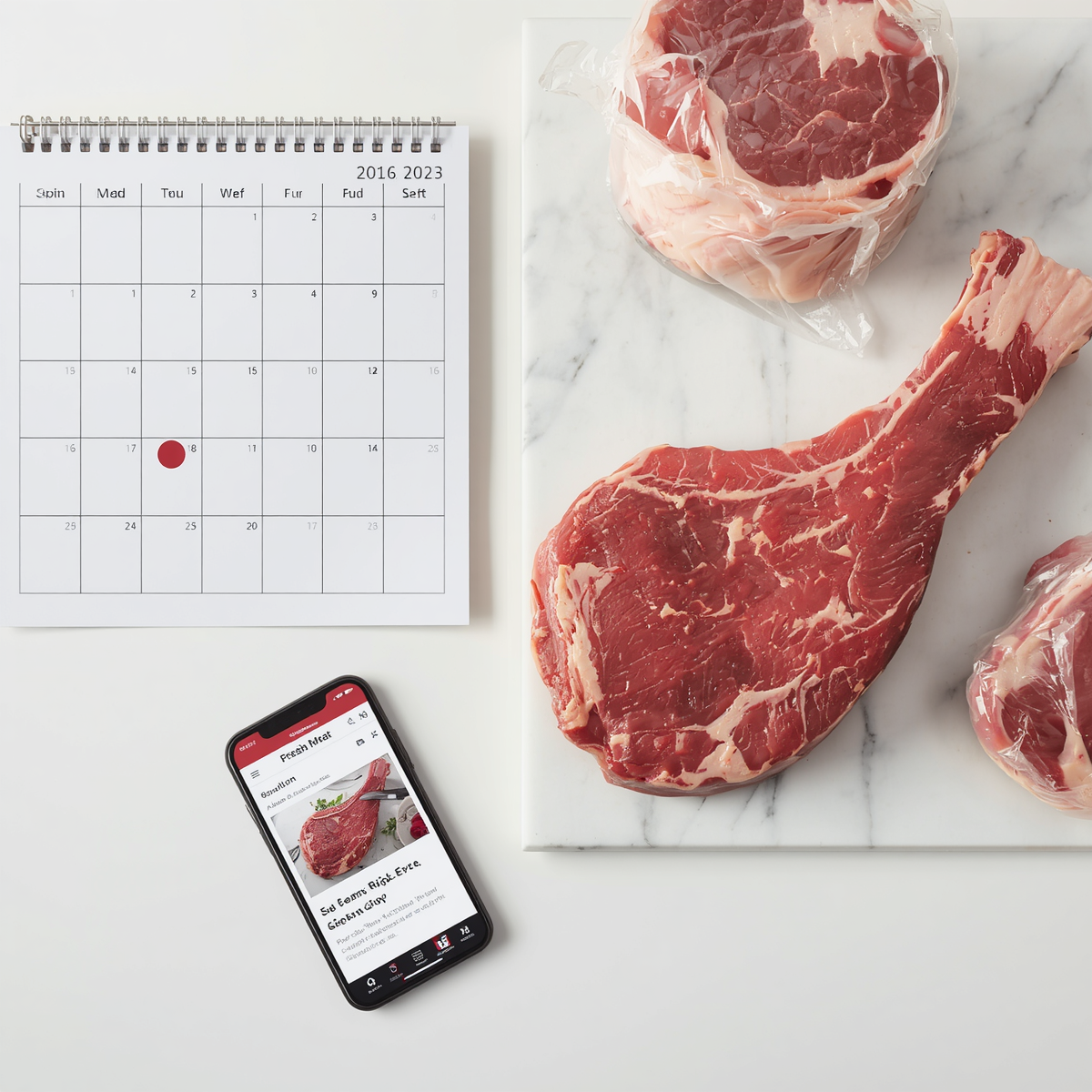
1. The “Golden Hour” of Meat Delivery

Food safety starts the moment your package arrives. Bacteria that cause spoilage thrive in the “Danger Zone”—between 4°C and 60°C.

  • The Rule: Never leave fresh meat at room temperature for more than one hour.
  • Action: As soon as you receive your Freshh Meat order, transfer it immediately to the coldest part of your refrigerator.

2. Master the Refrigerator Layout

Did you know that not all spots in your fridge are created equal?

  • The Bottom Shelf is King: Always store raw meat on the lowest shelf. Why? Because it is typically the coldest area. More importantly, this prevents any accidental juices from dripping onto other foods like vegetables or cooked leftovers, eliminating the risk of cross-contamination.
  • Avoid the Door: Never store meat in the refrigerator door. The temperature there fluctuates every time you open the fridge, which can accelerate spoilage.

3. The Science of Packaging

At Freshh Meat, we provide expertly handled cuts, but how you keep them wrapped matters.

  • Vacuum Sealing: If your meat is vacuum-sealed, do not open it until you are ready to cook. Vacuum sealing removes oxygen, which is the primary cause of meat turning brown (oxidation).
  • Original Packaging: If not vacuum-sealed, keep the meat in its original store wrap. If you must re-wrap it, use airtight containers or heavy-duty plastic wrap to minimize exposure to air.

4. Knowing Your Timelines

Freshness has a window. To enjoy the peak flavor of your Freshh Meat selection, follow these storage durations:

  • Ground Beef & Poultry: Use within 1–2 days.
  • Steaks, Chops, & Roasts: Use within 3–5 days.
  • Freezing: If you won’t cook it within these timeframes, freeze it immediately. Wrapped properly, beef can stay high-quality in the freezer for up to 6 months.

5. Thawing: The Right Way vs. The Fast Way

The way you thaw meat determines its final texture.

  • The Best Way (Fridge): Thaw slowly in the refrigerator. This keeps the meat at a safe temperature throughout the process and preserves the cellular structure for a juicier result.
  • The Safe “Fast” Way (Cold Water): If you’re in a rush, place the airtight package in a bowl of cold water. Change the water every 30 minutes. Never use hot water, as this starts to “cook” the outside while the inside is still frozen.

How to Store Your Freshh Meat

Proper storage isn’t just about food safety—it’s about preserving the texture, flavor, and nutritional value that you paid for. In this guide, we’ll show you exactly how to handle your meat from the moment it arrives until it hits the pan.

1. The Cold Chain: Don’t Break the Link

The most important rule of meat storage is temperature control. Bacteria that cause spoilage thrive in the “Danger Zone” (between 4°C and 60°C).

  • Action Step: As soon as your delivery arrives, place it in the refrigerator. Your fridge should be set to 4°C (40°F) or lower.
  • Pro Tip: Store your meat on the bottom shelf. This is usually the coldest part of the refrigerator, and it prevents any accidental juices from dripping onto other foods.

2. Keep It Air-Tight

Oxygen is the enemy of freshness. When meat is exposed to air, it begins to oxidize, which can change its color from a vibrant red to a dull brown and affect the flavor.

  • Vacuum Sealing: If your order arrives vacuum-sealed, leave it that way! Vacuum packaging is the gold standard for freshness as it removes all oxygen.
  • Re-wrapping: If you’ve opened a package but aren’t cooking the whole portion, wrap the leftovers tightly in plastic wrap, followed by a layer of foil or an airtight container.

3. Respect the Clock: Storage Timelines

Even in a cold fridge, fresh meat has a limited window where it tastes its best. Here is a quick cheat sheet for your Freshh Meat products:

  • Ground Meat & Poultry: These are the most sensitive. Plan to cook them within 1 to 2 days.
  • Steaks, Chops, and Roasts: These denser cuts stay fresh for 3 to 5 days.
  • Organ Meats: Should be consumed within 1 day for maximum quality.

4. Freezing for the Future

If you don’t plan on eating your meat within the windows mentioned above, the freezer is your best friend.

  • Avoid Freezer Burn: To prevent those dry, icy patches, ensure the meat is wrapped as tightly as possible with zero air pockets.
  • Labeling: Use a permanent marker to write the date and the type of cut on the package.
  • Duration: While frozen meat is safe indefinitely, it tastes best if consumed within 4 to 6 months (for beef) or 9 months (for whole poultry).

5. The Golden Rule of Thawing

The way you thaw your meat is just as important as how you store it. Never thaw meat on the kitchen counter at room temperature. This invites bacteria to grow on the outside while the inside is still frozen.

  • The Best Way: Thaw slowly in the refrigerator. Place the meat on a plate the night before you plan to cook.
  • The Fast Way: If you’re in a hurry, place the airtight package in a bowl of cold water, changing the water every 30 minutes.

Which One Should You Choose?

Stepping into a butcher shop or browsing an online store like Freshh Meat can be overwhelming. With so many options—from juicy Ribeyes and tender Lamb Chops to lean Chicken Breasts and versatile Ground Beef—how do you know which one is right for your dinner tonight?

The truth is, there is no “best” meat; there is only the “best meat for the occasion.” In this guide, we’ll help you navigate our selection so you can choose with confidence.

1. Choosing Based on Your Cooking Method

The way you plan to cook should be the first factor in your decision.

  • For Fast Grilling or Pan-Searing: You want “tender” cuts that don’t need much time. Choose: Ribeye, New York Strip, or Lamb Chops. These cuts have enough fat to stay juicy over high heat.
  • For Slow Cooking or Stewing: You need cuts with more connective tissue that breaks down over time. Choose: Beef Chuck, Brisket, or Lamb Shank. These become incredibly tender after a few hours of simmering.
  • For Quick Weeknight Meals: Efficiency is key. Choose: Ground Beef or Thinly Sliced Poultry. These cook in minutes and are perfect for pasta, tacos, or stir-fries.

2. Choosing Based on Health and Fitness Goals

If you are watching your calories or building muscle, your choice of protein matters.

  • For Maximum Protein with Lowest Calories: Choose: Skinless Chicken Breast or Beef Tenderloin (Filet Mignon). These are “lean” cuts, meaning they have a high protein-to-fat ratio.
  • For Keto or High-Fat Diets: Choose: Ribeye or Lamb Ribs. The natural healthy fats in these cuts provide the sustained energy and satiety that low-carb lifestyles require.
  • For Iron and Energy Boosts: Choose: Red meats like Beef or Lamb. They are significantly higher in Heme Iron and Vitamin B12 than white meats.

3. Choosing Based on Flavor Profile

Everyone’s palate is different. What kind of taste are you craving?

  • Mild and Versatile: Choose: Chicken. It acts as a canvas for whatever spices or sauces you enjoy most.
  • Rich and Savory: Choose: Beef. The deep, “umami” flavor of a well-aged steak is unmistakable and satisfying.
  • Distinctive and Aromatic: Choose: Lamb. Lamb has a unique, slightly earthy flavor that pairs beautifully with herbs like rosemary, thyme, and garlic.

4. The “Freshh Meat” Guarantee: Quality Over Everything

Regardless of which cut you choose, the most important decision you can make is where you buy it. At Freshh Meat, we remove the guesswork for you.

Food Safety and Transparency

In an era where we are more conscious than ever about what we put into our bodies, the journey of our food matters. When you buy a piece of meat, you aren’t just buying an ingredient; you are trusting a supplier with your family’s health. At Freshh Meat, we believe that transparency is not just a buzzword—it is a responsibility.

In this guide, we’ll take you behind the scenes to explore why food safety and transparency are the “secret ingredients” that make our meat the best choice for your kitchen.

The Transparency Gap in Modern Food

Most supermarket meat goes through a long, complex supply chain. It moves from farms to massive processing plants, into plastic trays, onto trucks, and finally to a shelf where it might sit for days. By the time it reaches your plate, it’s hard to know exactly when it was prepared or how many hands have touched it.

We created Freshh Meat to close that gap. We believe you have the right to know exactly where your food comes from, how it was handled, and that it meets the highest safety standards.

Our “Farm-to-Fork” Safety Standards

1. Rigorous Sourcing

Safety starts at the source. We partner only with suppliers who adhere to strict animal welfare and hygiene protocols. By choosing high-quality livestock, we ensure that the meat is naturally healthy, free from unnecessary additives, and rich in nutrients.

2. Temperature-Controlled Integrity

Bacteria thrive in the “Danger Zone” (between 4°C and 60°C). This is why we maintain a strict cold chain. From the moment the meat is cut until it reaches your doorstep, it stays at the optimal temperature. Our specialized delivery systems ensure that the “freshness” in our name is a scientific fact, not just a label.

3. Expert Butchery & Hygiene

Our facilities follow hospital-grade cleaning protocols. Every knife, every surface, and every pair of hands follows a meticulous sanitation process. By combining traditional butchery skills with modern hygiene technology, we eliminate the risks of cross-contamination that are common in larger, automated factories.

Why Transparency Tastes Better

When a company is transparent, it has nothing to hide. This accountability leads to higher quality. Because we track our meat from the source to your door, we can guarantee:

  • No Hidden Fillers: What you see is 100% pure meat.
  • Real Dates: We don’t “re-label” for shelf life. Fresh means fresh.
  • Ethical Practices: You can cook with peace of mind, knowing your meal was sourced responsibly.

Texture and Taste: The Culinary Edge

In the world of cooking, there is a massive difference between “eating to survive” and “dining for pleasure.” That difference almost always comes down to two things: Texture and Taste. While seasonings and sauces play their part, the true soul of a dish lies in the quality of the raw protein.

At Freshh Meat, we believe that every home cook deserves the “Culinary Edge” that professional chefs rely on. Today, we’re exploring why fresh, never-frozen meat is the secret ingredient to a restaurant-quality meal.

The Secret of the ‘Melt-in-Your-Mouth’ Texture

When meat is frozen, the water inside its cells turns into ice crystals. These crystals act like tiny needles, puncturing the cell walls. When that meat thaws, the cells “weep,” losing the natural moisture that makes a steak tender.

Fresh meat from Freshh Meat has never undergone this cellular damage. The fibers remain intact, supple, and resilient. This is why a fresh cut feels tender to the touch and has that sought-after “melt-in-your-mouth” quality when cooked. Whether it’s a delicate lamb chop or a robust beef steak, the structural integrity of fresh meat provides a superior “bite” that frozen alternatives simply cannot match.

Taste: The Power of Intramuscular Fat

Flavor isn’t just about the lean muscle; it’s about the fat. In high-quality fresh meat, you’ll see fine white flecks known as marbling.

In fresh meat, these fats are chemically stable and aromatic. When they hit a hot pan, they render down into a rich, savory liquid that coats the meat fibers. In frozen meat, these fats can oxidize over time, leading to a “muted” flavor or, worse, a “freezer taste.” By choosing fresh, you are ensuring that the natural, buttery flavor of the beef or lamb is the star of the show.

Achieving the Perfect Sear (The Maillard Reaction)

Every great steak needs a golden-brown, crispy crust. This is caused by the Maillard Reaction—a chemical reaction between amino acids and reducing sugars that gives browned food its distinctive flavor.

To achieve a perfect sear, the surface of the meat must be dry. Frozen meat often releases excess internal moisture as it hits the heat, causing the meat to “steam” rather than “fry.” Fresh meat allows for an immediate, intense sear, locking in the juices and creating a complex, smoky flavor profile that elevates your dish to a gourmet level.

Aroma: The First Bite is with the Nose

The culinary experience begins before the fork even reaches your mouth. The aroma of fresh meat roasting or grilling is clean, rich, and appetizing. Because our products at Freshh Meat are handled with the highest standards of hygiene and speed, you get that pure, farmhouse-fresh scent that signals high-quality nutrition.

The Nutritional Face-Off

In a world full of “quick fixes” and highly processed food options, the debate over what constitutes a healthy protein source has never been more intense. We often hear that “protein is protein,” but the truth is much more complex. When it comes to fueling your body, the source, freshness, and quality of your meat play a massive role in how you feel, perform, and recover.

At Freshh Meat, we believe in transparency. Today, we’re putting fresh meat in a “Nutritional Face-Off” against common alternatives to show you why quality truly matters.

Round 1: Bioavailability – The Absorption King

One of the biggest advantages of fresh meat is its high bioavailability. This is a fancy way of saying that your body can easily absorb and use the nutrients found within it.

While plant-based proteins or highly processed meat sticks might claim high protein counts on the label, they often lack the complete amino acid profile found in fresh beef, lamb, or poultry. Fresh meat provides all nine essential amino acids that your body cannot produce on its own, making it a “complete protein.” In the nutritional face-off, fresh meat wins for efficiency every time.

Round 2: The Hidden Enemies (Additives vs. Purity)

When you compare a fresh cut from Freshh Meat to a pre-packaged or processed alternative, the ingredient list tells the story.

  • Processed Alternatives: Often loaded with sodium, nitrates, and artificial fillers to extend shelf life. These additives are linked to inflammation and high blood pressure.
  • Fresh Meat: Contains one ingredient—meat. By choosing fresh, you avoid the “hidden enemies” of the food industry, ensuring your heart and metabolism stay in peak condition.

Round 3: The Vitamin and Mineral Powerhouse

Fresh meat isn’t just about protein; it’s a dense delivery system for vital micronutrients:

  1. Vitamin B12: Essential for nerve function and the creation of DNA. It is found naturally and abundantly in fresh red meat.
  2. Heme Iron: The type of iron found in fresh meat is absorbed by the body up to 30% better than the non-heme iron found in plants.
  3. Zinc: A powerhouse for your immune system.

In our nutritional face-off, fresh meat acts as a natural multivitamin, providing these nutrients in their most potent, natural state.

Round 4: Energy Levels and Satiety

Have you ever noticed that you feel full longer after a steak than after a processed snack? This is due to the structure of the fats and proteins in fresh meat. It stabilizes your blood sugar levels and triggers “fullness hormones,” which prevents overeating and provides steady energy throughout the day. For those looking to manage weight or build muscle, fresh meat is the ultimate dietary ally.

The Verdict: Quality Wins

The results are in. While there are many ways to get protein into your diet, nothing beats the nutritional density, purity, and absorption of fresh, high-quality meat.

When you shop at Freshh Meat, you aren’t just buying dinner; you are investing in a superior fuel source for your body. From our farm-to-table approach to our rigorous quality standards, we ensure that every cut you receive is at its nutritional peak.