شركة الجونة العطار للحوم الطازجة

شركة الجونة العطار للحوم الطازجة استشاريون في لحم العجول متخصصون في تقديم اللحوم الطازجة في المملكة العربية السعودية منذ عام 1443 هجري

كيف تختار أفضل أنواع اللحوم الطازجة في السعودية؟

في freshhmeat.com، ندرك أن جودة الطبق تبدأ من جودة القطعية. لذلك، قمنا بإعداد هذا الدليل الشامل لمساعدتك في التمييز بين اللحوم الممتازة وغيرها، وضمان حصولك على القيمة الغذائية والطعم الأصيل.

1. لون اللحم: لغتك البصرية الأولى

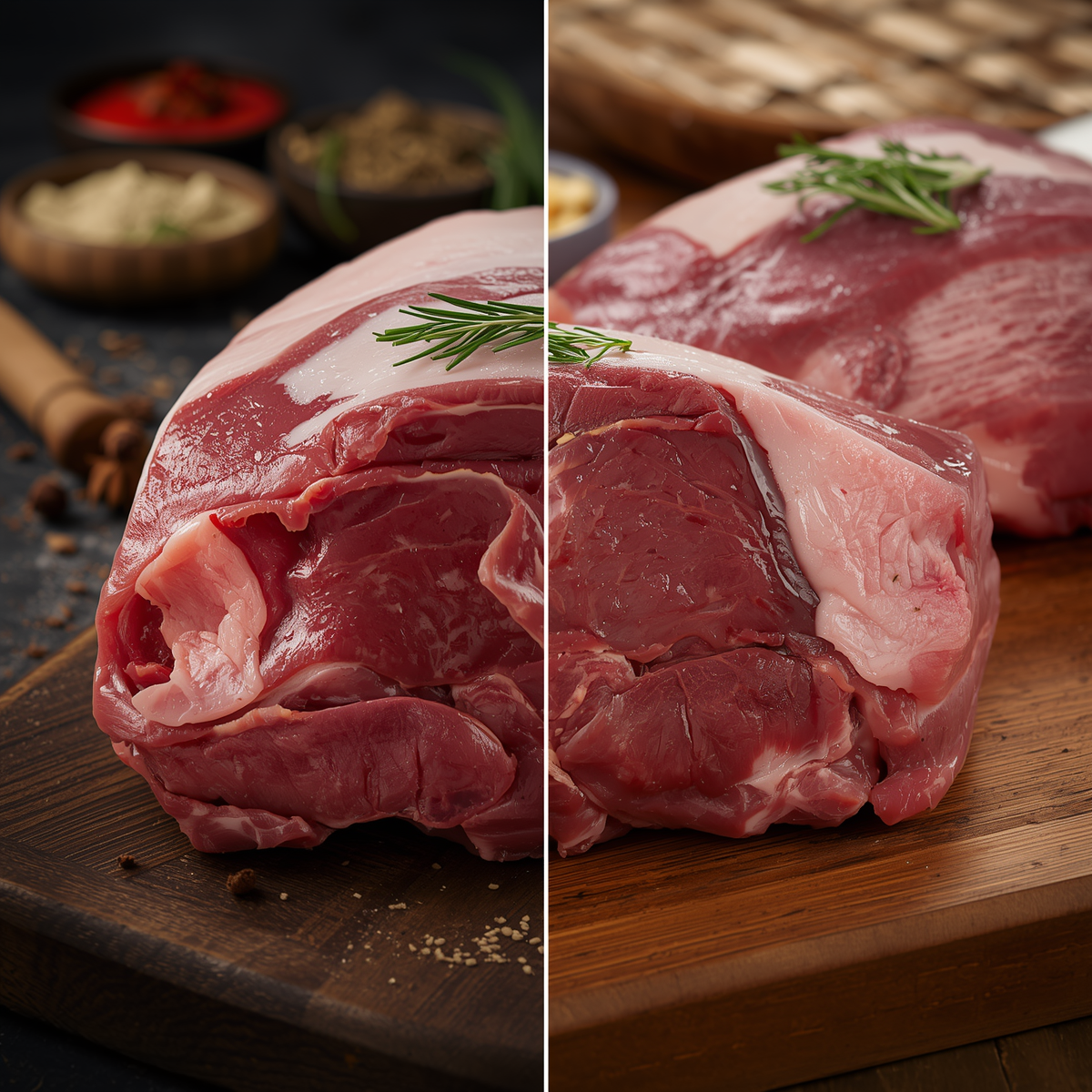
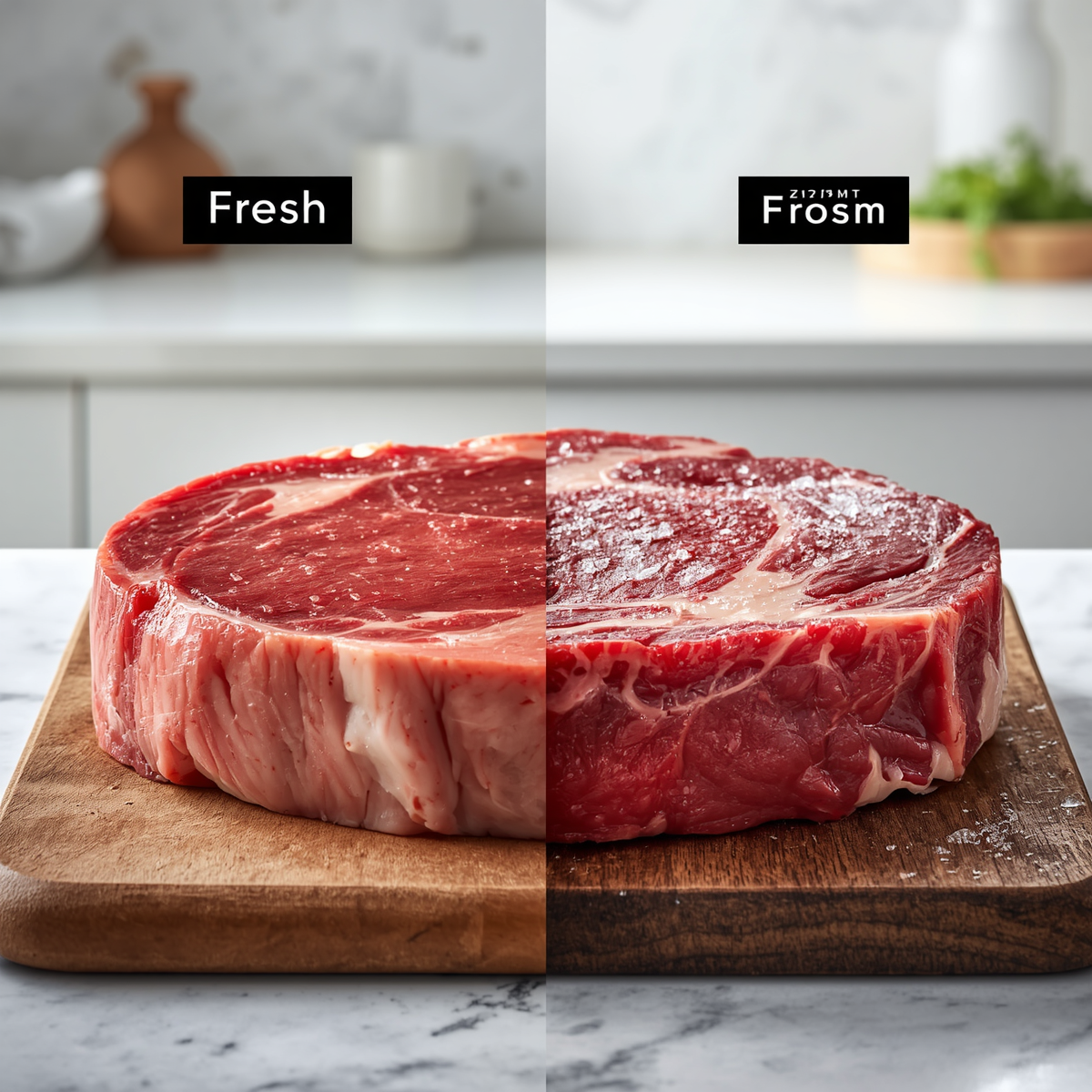
اللون هو المؤشر الأول والأسرع على نضارة اللحم. في السعودية، تختلف الألوان باختلاف نوع الذبيحة:

  • لحم الغنم (النعيمي والحري): يجب أن يكون لونه وردياً فاتحاً إلى أحمر باهت. تجنب اللحم الذي يميل إلى اللون البني أو الرمادي.
  • لحم البقر: يتميز باللون الأحمر الزاهي (الكرزي). إذا كان اللون داكناً جداً، فقد يعني ذلك أن اللحم من حيوان كبير السن أو أنه فقد نضارته.
  • لحم الحاشي (الإبل): يميل لونه إلى الأحمر الفاتح، ويكون ملمسه ناعماً جداً.

2. الملمس والمرونة (اختبار الضغط)

عند اختيار اللحوم الطازجة، لا تتردد في ملاحظة قوامها. اللحم عالي الجودة يجب أن يكون متماسكاً ومرناً. إذا قمت بالضغط عليه بإصبعك (عبر التغليف)، يجب أن يعود اللحم إلى شكله الأصلي بسرعة. إذا ظل الأثر غائراً، فهذا دليل على أن الألياف بدأت في التحلل وأن اللحم ليس طازجاً بما يكفي.

3. جودة الدهون ولونها

الدهون ليست مجرد “شحم”، بل هي مصدر النكهة. في اللحوم السعودية البلدية، يجب أن يكون لون الدهون أبيض ناصعاً أو مائلاً للقشدي الخفيف. تجنب اللحوم التي تكون دهونها صفراء داكنة، حيث يشير ذلك غالباً إلى قدم الذبيحة أو سوء التخزين. كما أن “الترخيم” (تداخل الدهون البيضاء الرقيقة داخل نسيج اللحم) هو سر الطراوة في قطعيات الستيك الفاخرة.

4. الرائحة الطبيعية

اللحم الطازج لا يمتلك رائحة قوية. الرائحة يجب أن تكون خفيفة وطبيعية (رائحة اللحم الخام المألوفة). إذا شممت أي رائحة نفاذة، حمضية، أو تشبه الأمونيا، فهذا يعني وجود نشاط بكتيري، ويجب تجنب الشراء فوراً.

5. المصدر والنوع (بلدي أم مستورد؟)

يفضل المستهلك في المملكة دائماً اللحوم البلدية مثل النعيمي والحري لمذاقها الذي لا يقاوم في الأطباق التقليدية كالكبسة والمندي. تأكد دائماً من الشراء من منصات موثوقة مثل فريش ميت التي تلتزم بمعايير الذبح الحلال والرقابة الصحية الصارمة.

6. السوائل داخل التغليف

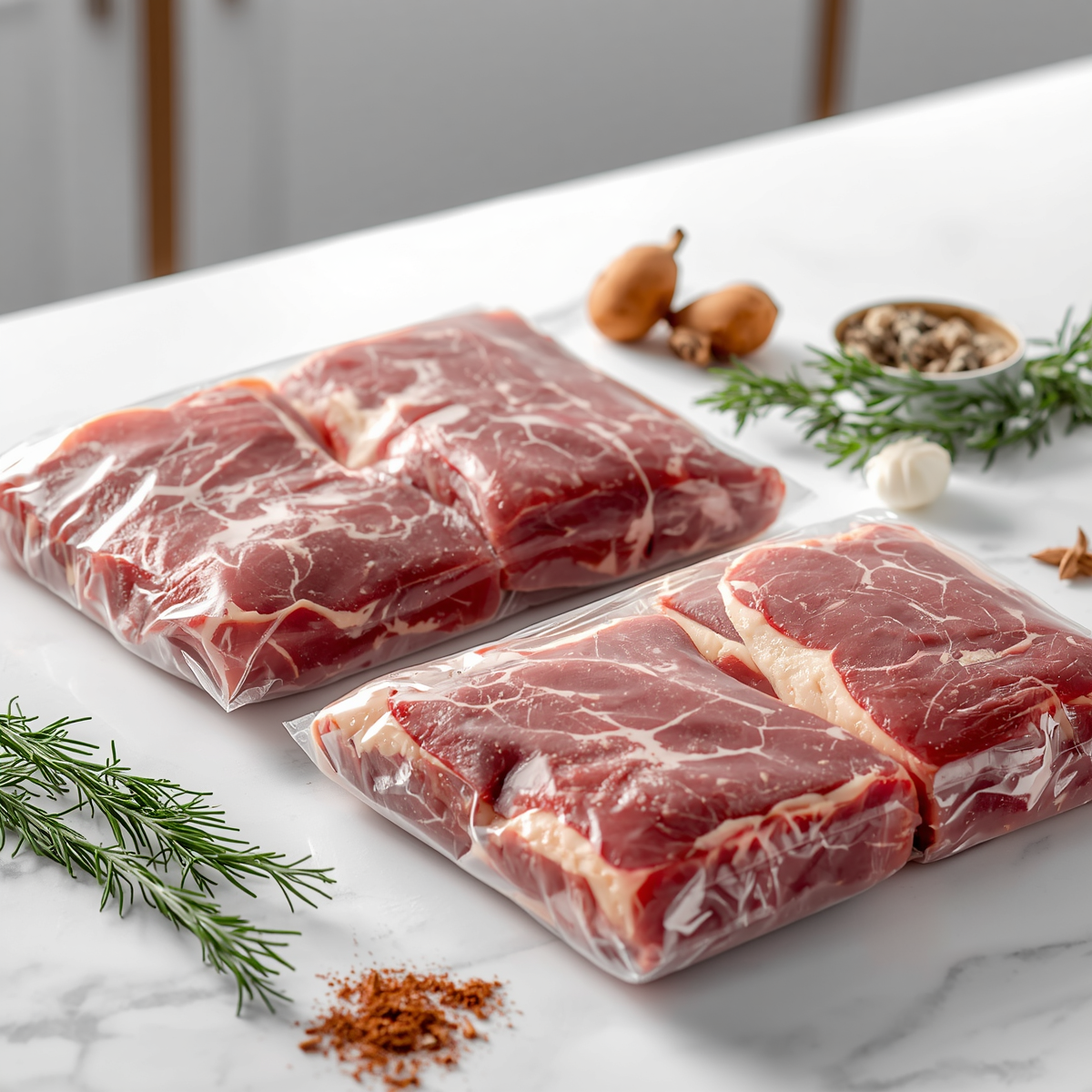
عند شراء اللحم المغلف، لاحظ كمية السوائل في الأسفل. وجود كمية كبيرة من السوائل الحمراء (Purge) يعني أن اللحم قد فقد الكثير من رطوبته وعصارته، مما سيجعله قاسياً عند الطبخ.

الخلاصة

إن اختيار اللحم الطازج هو استثمار في صحة عائلتك وطعم وجباتك. باتباعك لهذه النصائح البسيطة—التركيز على اللون، الملمس، والرائحة—ستصبح خبيراً في انتقاء الأفضل.

Which meat is famous in Saudi Arabia?

Which Meat is Famous in Saudi Arabia? A Culinary Journey

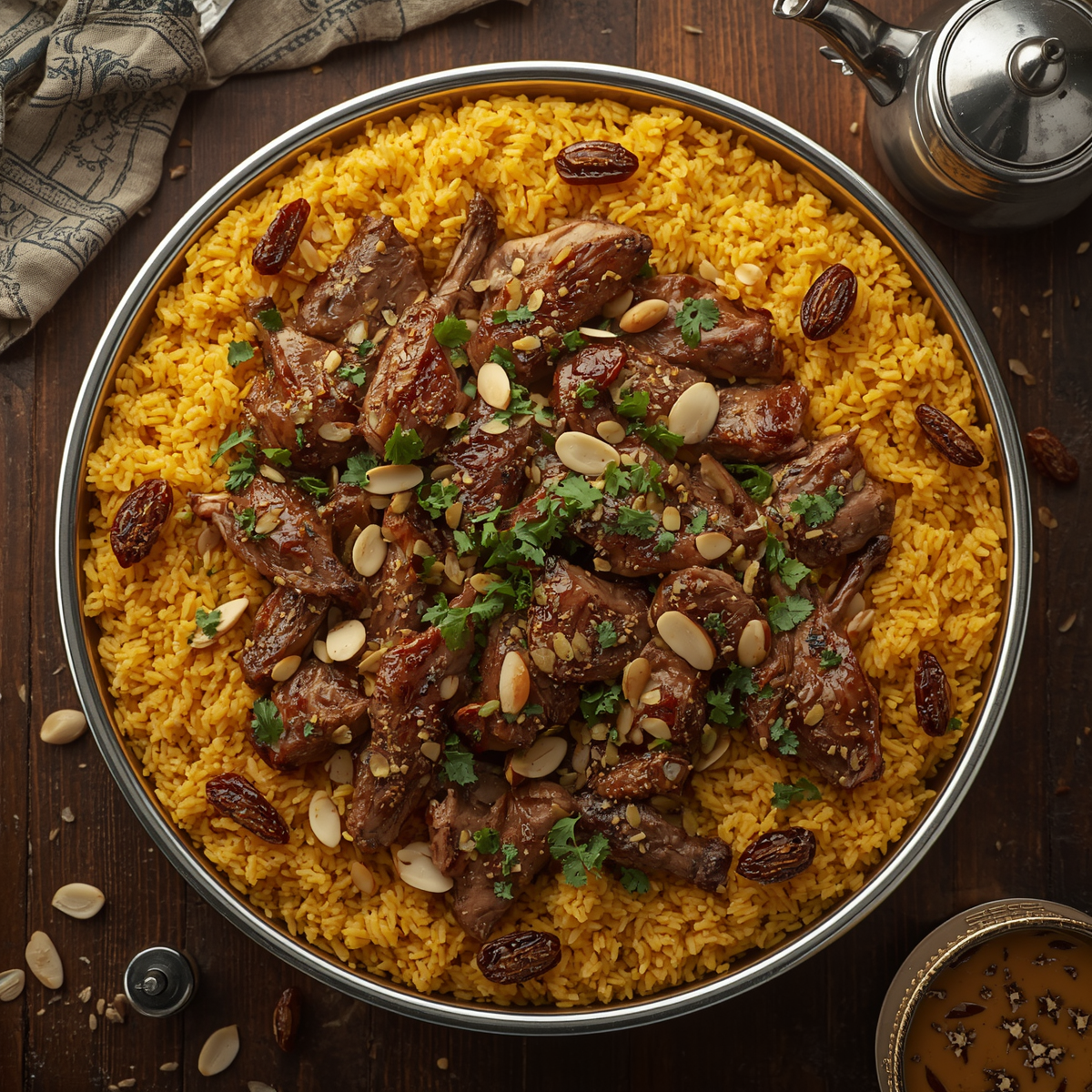
In Saudi Arabia Mutton kabsa/kabas is a vary famous dish in Saudi Arabia. Meat is more than just a source of protein—it is a symbol of hospitality, tradition, and celebration. Whether it is a large family gathering or a festive holiday, the quality and type of meat served are at the heart of the experience.

If you are wondering, “Which meat is famous in Saudi Arabia?” the answer lies in the rich history of the region and its iconic traditional dishes.

1. Lamb: The Centerpiece of Celebration

Lamb is arguably the most famous and beloved meat in Saudi Arabia. It is traditionally served during major festivals like Eid al-Adha and at wedding feasts.

  • Mandi & Haneeth: These are perhaps the most famous ways to enjoy lamb. The meat is slow-cooked in a “tandoor” (underground oven), making it so tender it falls off the bone.
  • Why it’s famous: It is prized for its rich, succulent flavor and its role in demonstrating high hospitality to guests.

2. Chicken: The King of Daily Meals

While lamb is for special occasions, chicken is the most commonly consumed meat for everyday lunch and dinner.

  • Kabsa: As the national dish of Saudi Arabia, Kabsa almost always features chicken. This fragrant rice dish, cooked with a blend of spices like cardamom, cinnamon, and black lime, is a staple in every Saudi household.
  • Al Faham: Charcoal-grilled chicken marinated in Arabic spices is a favorite for those looking for a smoky, healthy option.

3. Camel Meat: A Unique Cultural Specialty

For a truly authentic Saudi experience, camel meat is a must-try. Historically essential to the Bedouin diet, it remains a specialty in many regions.

  • The Taste: Camel meat is leaner than beef and has a slightly sweet, robust flavor.
  • Famous Dish: Camel Kabsa or camel burgers are becoming increasingly popular in modern Saudi food scenes as a nutritious, low-fat alternative to other red meats.

4. Beef: The Modern Growing Choice

Beef has seen a huge surge in popularity, especially in urban cities like Riyadh and Jeddah.

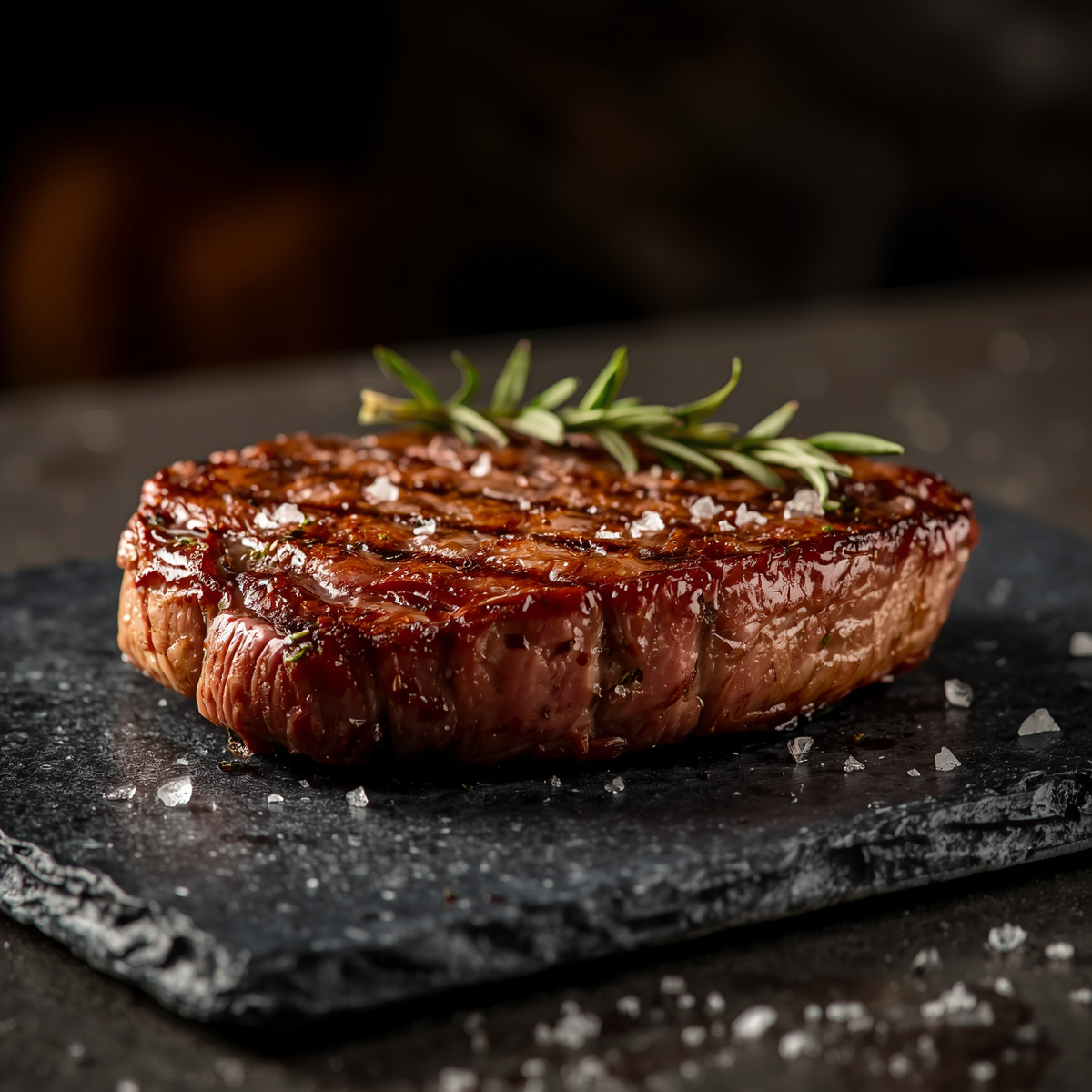
  • Usage: It is the go-to choice for modern BBQ, high-end steaks, and family favorites like Kofta or Sambousek fillings.
  • Quality: At FreshhMeat.com, we see a high demand for premium beef cuts that offer a perfect balance of tenderness and flavor for everyday cooking.

Why the Source Matters

Regardless of which meat you choose, the secret to a great Saudi dish is freshness. Traditional recipes rely on the natural juices of the meat to flavor the rice and spices. Using high-quality, fresh cuts ensures that your Kabsa or Mandi tastes exactly like it was prepared by a professional chef.

Conclusion

From the celebratory richness of lamb to the everyday versatility of chicken, meat is the soul of Saudi Arabian cuisine. Exploring these famous meats is the best way to understand the Kingdom’s culture of generosity and flavor.

How much is one kilo of beef?

How Much is One Kilo of Beef? A Complete Pricing Guide

One kilo of beef ranges from P400 to P540, depending per cut. If you are planning a family dinner or a weekend BBQ, the first thing on your shopping list is likely beef. But with market fluctuations, you might find yourself wondering: “How much is one kilo of beef today?”

Understanding beef pricing is more than just looking at a number on a scale. The cost of a kilogram depends on the origin, the cut, and the quality of the meat. In this guide, we break down what you can expect to pay and how to get the best value.

Average Price per Kilogram in 2026

Currently, beef prices vary depending on the type of meat you choose. Here is a general breakdown of the market rates:

  1. Standard Fresh Beef: For everyday cooking like stews or stir-fry, one kilo of fresh beef typically ranges between SAR 45 and SAR 60.
  2. Premium Steaks: If you are looking for high-end cuts like Ribeye, Striploin, or Tenderloin, the price can increase to SAR 90 – SAR 150 per kg, depending on the marbling and aging.
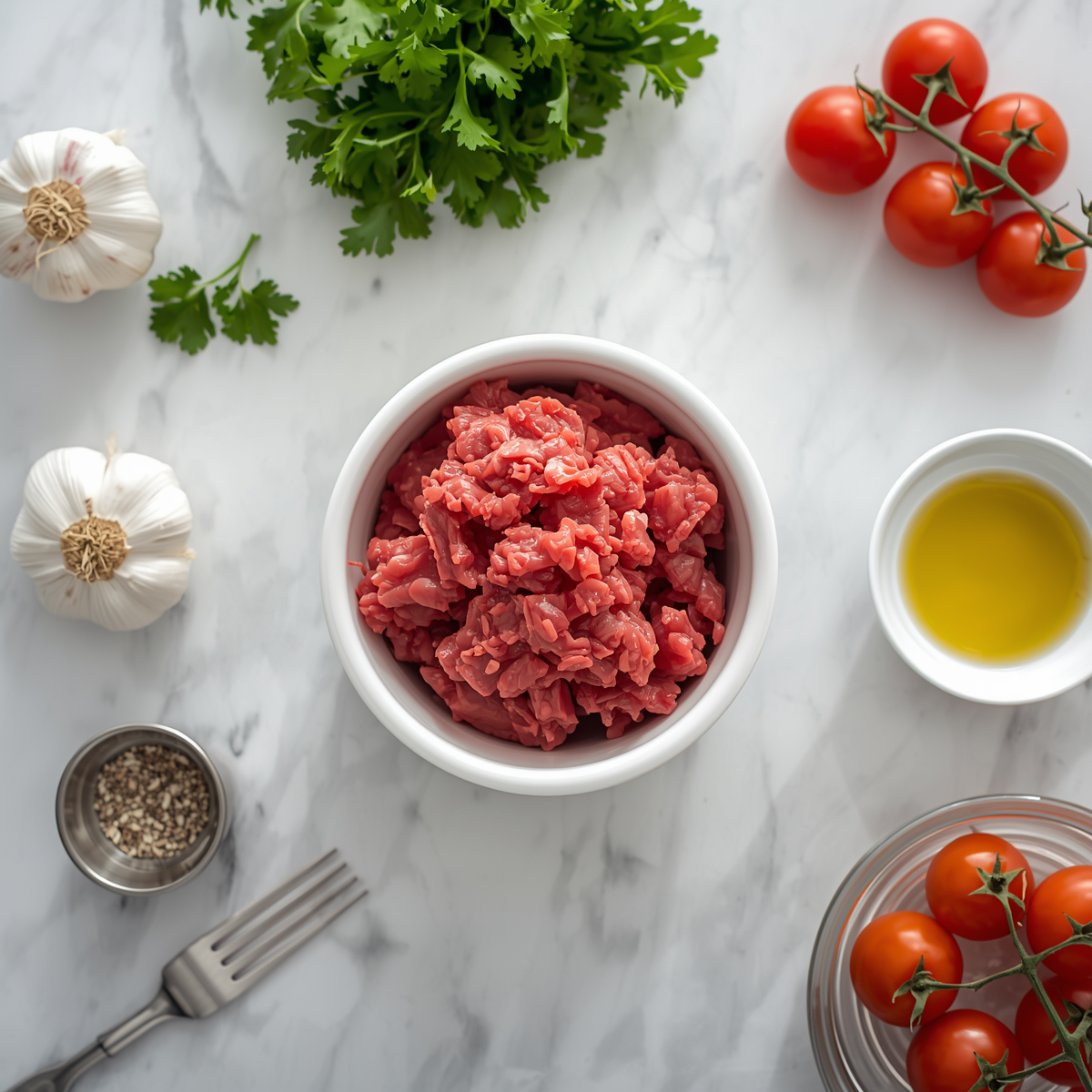
  3. Minced/Ground Beef: This is often the most budget-friendly option, usually priced between SAR 35 and SAR 45 per kg.
  4. Imported vs. Local: Local Saudi beef is highly prized for its freshness, while imported chilled beef from countries like Brazil or Australia offers a different price point for bulk buyers.

What Influences the Price of Beef?

Why does the price change between different shops or seasons? Here are the main factors:

  • The Cut of Meat: Not all parts of the cow are equal. “Prime” cuts from the loin are more expensive because they are tender and in high demand. “Tougher” cuts from the shoulder or leg are cheaper but perfect for slow-cooking.
  • Bone-in vs. Boneless: You will notice that boneless beef costs more per kilo. This is because you are paying for the butcher’s labor and 100% edible meat without the weight of the bone.
  • Grain-Fed vs. Grass-Fed: Grain-fed beef often has more “marbling” (fat streaks), which makes it more expensive but also much more flavorful and tender.

How to Get the Best Value at FreshhMeat.com

At FreshhMeat.com, we believe in providing premium quality at fair prices. Here is how to shop smart:

  • Buy the Right Cut: If you are making a stew, don’t buy expensive steak. Choose a shoulder cut; it’s cheaper and tastes better when simmered.
  • Check Daily Specials: Prices can change based on supply. We update our inventory regularly to ensure you get the freshest meat at the best possible rate.

Conclusion

While the price of one kilo of beef depends on many factors, focusing on freshness ensures you get the best “bang for your buck.” Whether you need a budget-friendly mince or a premium celebratory steak, understanding these prices helps you shop with confidence.

What is the cheapest meat per kg?

What is the Cheapest Meat per kg? A Guide to Saving on Protein

With the cost of living on the rise, many families are looking for ways to enjoy high-quality protein without breaking the bank. If you find yourself asking, “What is the cheapest meat per kg?” you aren’t alone.

Understanding which meats offer the best value allows you to cook delicious, nutritious meals while staying within your budget. Here is the breakdown of the most affordable meats available today.

1. Chicken: The Undisputed Value King

Across almost every market, chicken remains the most affordable meat per kilogram. Because chickens grow quickly and require less land than cattle or sheep, the savings are passed directly to you.

  • Whole Chicken: Usually the absolute cheapest way to buy meat. Buying the whole bird often costs significantly less per kg than buying pre-cut parts.
  • Dark Meat (Thighs & Drumsticks): These are not only more affordable than chicken breasts but are also juicier and more flavorful when slow-cooked or grilled.

2. Ground Beef: The Versatile Budget Saver

While steak prices can be high, ground beef (minced meat) is a fantastic budget-friendly alternative.

  • Value in Versatility: Because ground beef can be used in everything from pasta sauces to burgers and kebabs, it is a staple for those looking to stretch their riyals or dollars.
  • Fat Content: Often, ground beef with a slightly higher fat percentage (like 80/20) is cheaper per kg than extra-lean versions, and it actually provides more flavor for stovetop cooking.

3. Organ Meats: The Hidden Gem

If you are looking for the absolute lowest price point, don’t overlook organ meats like liver or heart.

  • Nutrient Dense: Not only are these often the cheapest cuts per kg, but they are also incredibly high in iron and vitamins.
  • Traditional Flavors: When prepared correctly—such as sautéed with onions and spices—they offer a gourmet experience at a fraction of the cost of a steak.

4. Bone-In Stewing Cuts

When it comes to mutton, goat, or beef, choosing bone-in stewing meat is much cheaper than buying boneless fillets. The bones add incredible depth to soups and stews, and the price per kg is lower because it requires less labor from the butcher.

How to Get More Meat for Your Money

  • Buy in Bulk: Purchasing 2kg or 5kg packs usually reduces the price per kg significantly.
  • Shop Seasonal: Prices can fluctuate. At FreshhMeat.com, we recommend checking our weekly specials to see which cuts are currently at their lowest price.
  • Use the Freezer: When you find a great price per kg, buy extra and freeze it to lock in the savings.

Conclusion

While chicken is generally the cheapest meat per kg, you can find great value in beef and mutton by choosing the right cuts. At FreshhMeat.com, we believe that “budget-friendly” should never mean “low quality.” We provide fresh, premium meats at prices that make sense for your household.

What is the price of mutton in Saudi Arabia today?

Blog Post: What is the Price of Mutton in Saudi Arabia Today?

If you are planning a traditional dinner or stocking up your kitchen, knowing the mutton price in Saudi Arabia today is essential for budgeting. Mutton and lamb are the heart of Saudi hospitality, but prices can fluctuate based on origin, cut, and seasonal demand.

In this guide, we break down the current 2026 price trends to help you get the best value for your money.

Average Price per KG (April 2026)

As of late April 2026, the price for fresh mutton in the Kingdom varies based on whether you are buying local or imported meat. Here is a look at the current market ranges:

Type of Mutton/LambAverage Price (per kg)Local Naimy Lamb (Prime)SAR 85 – SAR 130Sawakni (Sudanese) LambSAR 62 – SAR 75Australian/New Zealand ChilledSAR 40 – SAR 60Barbari/Other ImportedSAR 50 – SAR 65

Factors Influencing Today’s Price

Why does the price change so often? Several factors play a role in what you see at the butcher counter:

  • Origin & Quality: Local Saudi “Naimy” or “Harri” lamb is highly prized for its superior flavor and freshness, often costing significantly more than imported chilled varieties.
  • Specific Cuts: A boneless leg or premium lamb chops will always carry a higher price tag than stew meat with bone-in or mixed portions.
  • Market Volatility: Global supply chain shifts and local demand cycles—especially during cooler months which are peak for outdoor grilling—can cause prices to rise.
  • Economic Trends: Recent annual inflation has seen mutton prices rise by roughly 14.6% compared to previous years.

How to Spot High-Quality Mutton

At these prices, ensuring quality is paramount. When shopping for mutton, look for:

  1. The Color: A healthy pink-to-red hue is a sign of freshness. Avoid greyish meat.
  2. The Fat: Fresh lamb fat should be firm and creamy white. Yellowing can indicate older meat.
  3. The Scent: Fresh mutton should have a mild, clean smell, never sour or pungent.

Why Shop at FreshhMeat.com?

Tracking daily prices can be a hassle. At FreshhMeat.com, we simplify your shopping experience by offering competitive, transparent pricing on the finest cuts of fresh meat. We bridge the gap between premium quality and fair pricing, ensuring your family enjoys the best without the guesswork.

How Much Does 1 kg of Goat Meat Cost?

How Much Does 1 kg of Goat Meat Cost? 2026 Price Guide

If you are planning a traditional feast or simply looking for a lean, healthy protein for your weekly meals, goat meat is likely at the top of your list. But for many shoppers, the first question is always: “How much is 1 kg of goat meat today?”

In the current 2026 market, goat meat remains a premium choice compared to beef or chicken. Here is everything you need to know about what you’ll pay at the butcher and why.

Current Market Prices in 2026

As of April 2026, the price for 1 kg of fresh goat meat in Saudi Arabia typically ranges between SAR 60 and SAR 95.

  • Standard Cuts (Shoulder/Leg): Prices for fresh goat shoulder or leg often hover around SAR 61.95 to SAR 65 per kg.
  • Specialty/Local Breeds: Premium local varieties like Ar-Rif or Harri goats often command higher prices, sometimes reaching SAR 70–SAR 95 per kg when purchased in smaller quantities.
  • Whole Goat Options: For large gatherings, buying a whole goat (approx. 10–12 kg) can bring the effective price down, with whole carcasses starting around SAR 949.

Why Does the Price Vary?

Several factors can cause the price on your receipt to change:

  1. Local vs. Imported: Domestically raised goats are highly prized for their flavor and freshness, often costing more than imported chilled or frozen meat from countries like Ethiopia or Australia.
  2. The Cut of Meat: Boneless cuts and “premium” parts like the loin or ribs will always carry a higher price per kilogram than bone-in stews.
  3. Seasonal Demand: Expect prices to rise during peak festive seasons like Ramadan and Eid al-Adha, when demand for traditional goat dishes like Mandi and Kabsa is at its highest.
  4. Feed Costs: Fluctuations in the global price of alfalfa and barley can impact how much farmers charge for their livestock, which eventually affects the price at your local butcher.

Is Goat Meat Worth the Price?

While goat meat can be more expensive than other proteins, it offers unique benefits:

  • Heart-Healthy: It is lower in calories, total fat, and cholesterol than beef.
  • Superior Flavor: It has a distinct, rich profile that is essential for authentic Middle Eastern cuisine.

Conclusion

When buying 1 kg of goat meat, you aren’t just paying for weight; you are paying for quality, nutrition, and tradition. At https://www.google.com/search?q=FreshhMeat.com, we strive to provide the most competitive prices for the highest-grade fresh meat available.

How much does 1 kg of meat cost?

How Much Does 1 kg of Meat Cost? A Consumer’s Guide

Whether you are meal prepping for the week or planning a special family dinner, one of the most common questions at the butcher counter is: “How much does 1 kg of meat cost?”

The answer isn’t always a single number. Meat prices fluctuate based on the type of animal, the specific cut, and the quality of the sourcing. In this guide, we break down the average prices you can expect to see and why they vary.

Average Prices by Meat Type

While prices vary by region and season, here is a general breakdown of what you might pay for 1 kg of fresh meat:

  1. Chicken (Whole or Cuts): Generally the most affordable protein. You can expect to pay a lower range for whole birds and a slightly higher premium for boneless breasts or thighs.
  2. Beef (Standard vs. Premium): Beef has a wide price range. Lean ground beef is typically the most budget-friendly, while premium steaks like Ribeye or Tenderloin command the highest prices per kilogram.
  3. Lamb and Mutton: These are often considered specialty meats and usually sit at a higher price point than beef due to the age of the animal and the intricate butchery required.

What Factors Influence the Cost?

Several key factors determine the final price you see on the scale:

  • The Cut of Meat: Muscles that do less work (like the loin) are more tender and expensive. Harder-working muscles (like the shoulder or shank) are tougher but more affordable and perfect for slow cooking.
  • Bone-in vs. Boneless: You often pay more per kg for boneless meat because you are paying for the labor of the butcher and 100% edible product.
  • Freshness and Sourcing: Locally sourced, fresh meat often carries a premium compared to frozen, imported alternatives because of the superior taste and lower transport time.
  • Market Demand: During holidays or festive seasons, the demand for lamb or high-end beef cuts often rises, causing a temporary hike in prices.

How to Get the Best Value

To get the most out of your budget, consider these tips:

  • Buy in Bulk: Purchasing a full kilogram or more can often reduce the price per gram compared to smaller portions.
  • Choose “Tougher” Cuts: Cuts like brisket or chuck are cheaper per kg and develop incredible flavor when simmered slowly.
  • Check for Freshness: High-quality fresh meat has less water loss during cooking, meaning you get more actual food for your money.

Conclusion

While the cost of 1 kg of meat changes based on many factors, focusing on quality and the right cut for your recipe ensures you get the best value. At https://www.google.com/search?q=FreshhMeat.com, we prioritize transparency and quality to ensure every kg you buy is worth the investment.

What meat is not allowed in Saudi Arabia?

When it comes to food, Saudi Arabia follows strict Islamic dietary laws (Sharia) to ensure all meat consumed within the Kingdom is pure, healthy, and permissible. All Muslims, under Islamic law, are not allowed to eat pork. Whether you are an expat, a tourist, or a business owner, understanding these regulations is essential for staying compliant with the law. In this guide, we break down exactly what meat is banned in Saudi Arabia and why.

1. Pork and All Pig Derivatives

The most well-known prohibition is pork. In Saudi Arabia, there is an absolute ban on the import, sale, and consumption of pig meat. This restriction extends beyond just bacon or ham; it also includes:

  • Lard and animal fats derived from pigs.
  • Gelatin used in candies, marshmallows, or yogurts if it is pig-sourced.
  • Non-food items like brushes or cosmetics made from pig hair or derivatives.

2. Meat Not Slaughtered According to Halal Standards

For meat to be legal in Saudi Arabia, it must be Halal. This means the animal must be slaughtered according to specific Islamic rituals (Zabiha). Meat is considered “Haram” (forbidden) if:

  • The animal was already dead before slaughter (carrion).
  • It was strangled, beaten to death, or killed by a fall.
  • It was not slaughtered in the name of Allah.
  • It was killed by a wild animal or died of natural illness.

3. Exotic and Forbidden Animals

Beyond pork, Islamic law prohibits the consumption of certain types of animals, which are consequently not allowed in the Saudi market:

  • Carnivorous animals with fangs (like lions, tigers, or dogs).
  • Birds of prey with talons (like hawks or eagles).
  • Amphibians like frogs.
  • Land-based animals not explicitly permitted by Sharia.

4. Imports from Restricted Countries

The Saudi Food and Drug Authority (SFDA) occasionally bans meat imports from specific countries due to health concerns, such as outbreaks of Bovine Spongiform Encephalopathy (Mad Cow Disease) or Bird Flu. Always check the latest SFDA circulars if you are importing meat commercially.

5. Meat Containing Prohibited Additives

Even if the meat is Halal, it can be banned if it contains:

  • Alcohol: Any meat marinated in wine or containing alcohol-based flavorings.
  • Excessive Hormones or Chemicals: The SFDA maintains strict residue control plans for antibiotics and growth hormones.

Conclusion

Saudi Arabia’s meat regulations are designed to protect the religious values and health of its citizens. By sticking to certified Halal providers and avoiding prohibited items like pork, you can enjoy the rich culinary landscape of the Kingdom without worry.