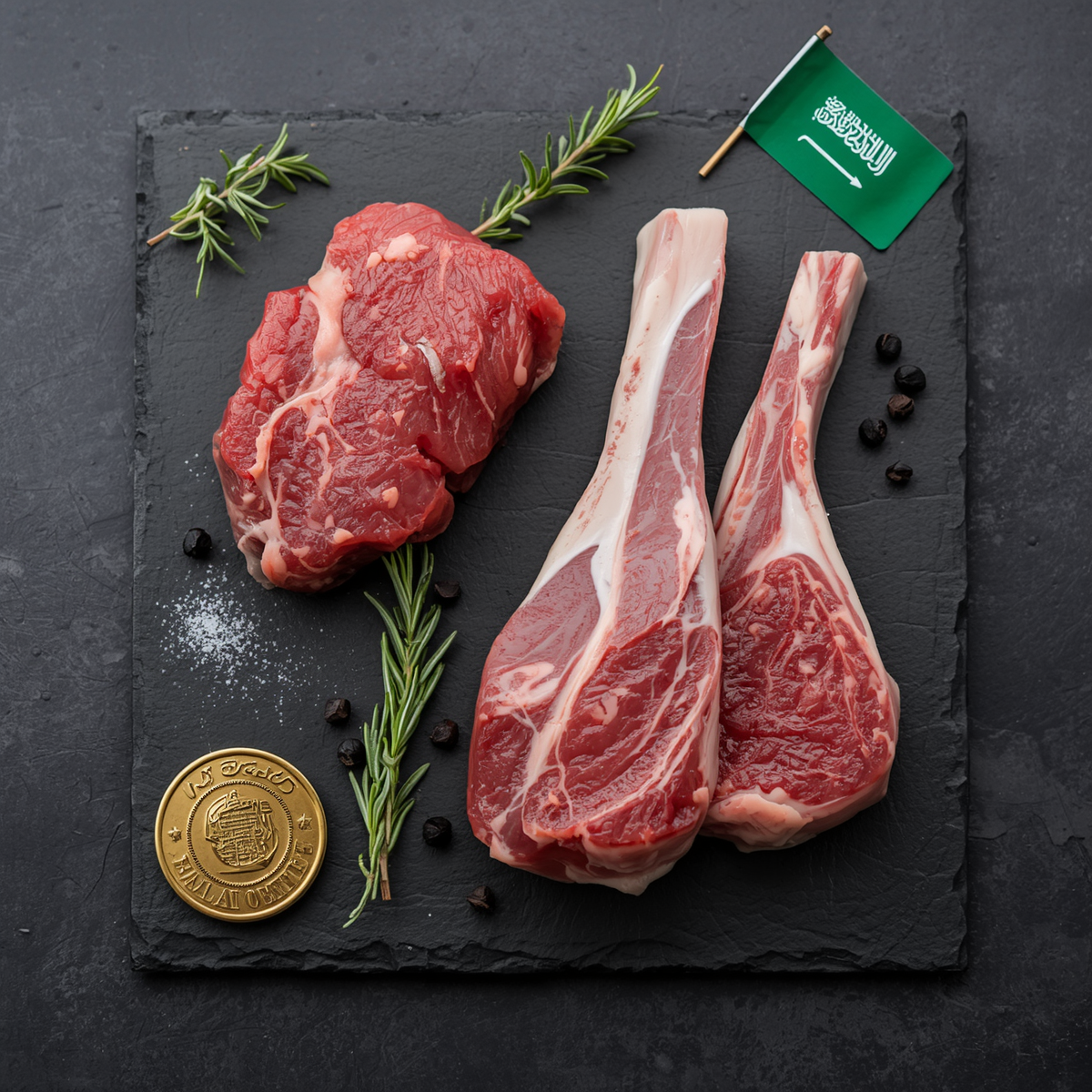
When it comes to food, Saudi Arabia follows strict Islamic dietary laws (Sharia) to ensure all meat consumed within the Kingdom is pure, healthy, and permissible. All Muslims, under Islamic law, are not allowed to eat pork. Whether you are an expat, a tourist, or a business owner, understanding these regulations is essential for staying compliant with the law. In this guide, we break down exactly what meat is banned in Saudi Arabia and why.
1. Pork and All Pig Derivatives
The most well-known prohibition is pork. In Saudi Arabia, there is an absolute ban on the import, sale, and consumption of pig meat. This restriction extends beyond just bacon or ham; it also includes:
- Lard and animal fats derived from pigs.
- Gelatin used in candies, marshmallows, or yogurts if it is pig-sourced.
- Non-food items like brushes or cosmetics made from pig hair or derivatives.
2. Meat Not Slaughtered According to Halal Standards
For meat to be legal in Saudi Arabia, it must be Halal. This means the animal must be slaughtered according to specific Islamic rituals (Zabiha). Meat is considered “Haram” (forbidden) if:
- The animal was already dead before slaughter (carrion).
- It was strangled, beaten to death, or killed by a fall.
- It was not slaughtered in the name of Allah.
- It was killed by a wild animal or died of natural illness.
3. Exotic and Forbidden Animals
Beyond pork, Islamic law prohibits the consumption of certain types of animals, which are consequently not allowed in the Saudi market:
- Carnivorous animals with fangs (like lions, tigers, or dogs).
- Birds of prey with talons (like hawks or eagles).
- Amphibians like frogs.
- Land-based animals not explicitly permitted by Sharia.
4. Imports from Restricted Countries
The Saudi Food and Drug Authority (SFDA) occasionally bans meat imports from specific countries due to health concerns, such as outbreaks of Bovine Spongiform Encephalopathy (Mad Cow Disease) or Bird Flu. Always check the latest SFDA circulars if you are importing meat commercially.
5. Meat Containing Prohibited Additives
Even if the meat is Halal, it can be banned if it contains:
- Alcohol: Any meat marinated in wine or containing alcohol-based flavorings.
- Excessive Hormones or Chemicals: The SFDA maintains strict residue control plans for antibiotics and growth hormones.
Conclusion
Saudi Arabia’s meat regulations are designed to protect the religious values and health of its citizens. By sticking to certified Halal providers and avoiding prohibited items like pork, you can enjoy the rich culinary landscape of the Kingdom without worry.